How do you pronounce the word "Navajo"? What does it mean?Navajo is pronounced "NAH-vuh-ho." This spelling came from Spanish-- you can sometimes see the same name spelled "Navaho" instead. It comes from a Pueblo Indian word for "planted fields" or "farmlands." The Pueblo Indians probably gave them this name because unlike their relatives the Apaches, the Navajos were farmers who lived in settled villages. Traditionally the Navajos called themselves Dine'é or just Diné (which means "the people"), but today most Navajo people also use the word "Navajo" themselves, especially when they are speaking English. Where do the Navajos live?The Navajo are natives of the Four Corners region (Arizona, New Mexico, Utah, and Colorado). The Navajo people are still living in their traditional territory today. How is the Navajo Indian nation organized?The Navajos live on a reservation, which is land that belongs to them and is under their control. The Navajo Nation has its own government, laws, police, and services, just like a small country. However, the Navajos are also US citizens and must obey American law.
 In the past, each Navajo band was led by its own chief, who was chosen by a tribal council. Most important decisions were made by the council, and all the Navajo councilmembers had to agree before an action could be taken. A Navajo chief was more like a tribal chairman than a king. Most of his job was mediating between the other Navajos. Today, the Navajo Nation is led by a president and tribal council that are elected by all the people.
What language do the Navajo Indians speak?Almost all Navajo people speak English today, but nearly 150,000 Navajos also speak their native Navajo language. Navajo is a complex language with tones and many different vowel sounds. Most English speakers find it very difficult to pronounce. If you'd like to know an easy Navajo word, "yá'át'ééh" (sounds a little like yah-ah-t-ay) means "hello" in Navajo. How do Navajo Indian children live, and what did they do in the past?They do the same things all children do--play with each other, go to school and help around the house. Many Navajo children like to go hunting and fishing with their fathers. In the past, Indian kids had more chores and less time to play in their daily lives, just like colonial children. But they did have dolls, toys, and games to play. Navajo children liked to run footraces, play archery games, and ride horses. A Navajo mother traditionally carried a young child in a cradleboard on her backs.  What were men and women's roles in the Navajo tribe?Men and women did different jobs in Navajo society. Navajo men were hunters, warriors and political leaders. Only men were chiefs in the Navajo tribe. Navajo women were farmers, tended livestock, and also did most of the child care and cooking. Even artwork was separated by gender. Men made jewelry, and women wove rugs and sculpted clay pots. Both genders did take part in storytelling, music, and traditional medicine.
 Today, many of these gender roles have changed. Navajo men are often farmers and ranchers now... and Navajo women join the Army.
What were Navajo homes like in the past?Navajo people lived in hogans, which are traditional earth houses. A hogan is made of a special wood framework packed with clay into a domed shape, with the door facing east. The thick earthen walls insulate the hogan and protect the people inside from wind and strong weather.
 What were Navajo clothes like? Did the Navajos wear feather headdresses and face paint?Originally, Navajo men wore breechcloths and the women wore skirts made of woven yucca fiber. Shirts were not necessary in Navajo culture, but both men and women wore deerskin ponchos or cloaks of rabbit fur in cool weather, and moccasins on their feet. After sheep were introduced and Navajo women could weave larger woolen items, men began to wear poncho-style wool shirts, women began to wear wool dresses with shoulder straps, and heavy wool blankets began to replace fur cloaks. In the late 1800's and early 1900's, long velveteen shirts and blouses came into fashion and Mexican-style full cotton skirts became popular with Navajo women. These styles are still popular today.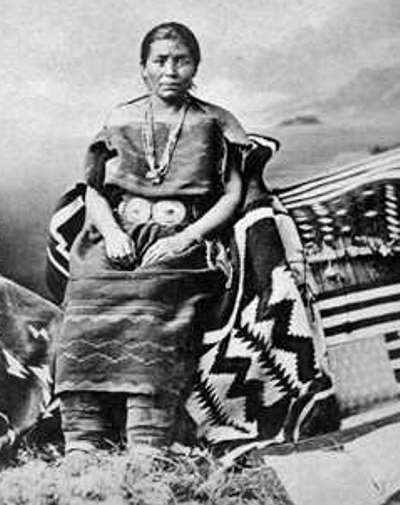
The Navajos did not traditionally wear Indian headdresses. Navajo men usually wore cloth headbands tied around their foreheads instead. Both men and women wore their hair gathered into a figure-eight shaped bun called a tsiyeel, though some Navajo men did begin cutting their hair to shoulder-length in the Pueblo style during the early 1900's. Except for certain religious ceremonies, the Navajos didn't paint their faces or bodies. But they are famous for their beautiful silver and turquoise ornaments, particularly concha belts (made of interconnected silver medallions), brooches, and jewelry.
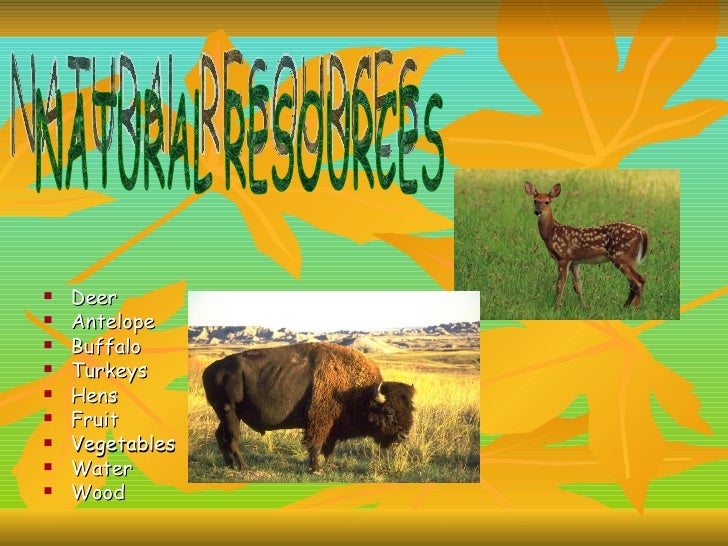
What was Navajo transportation like in the days before cars? Did they paddle canoes?No--the Navajo Indians weren't coastal people, and rarely traveled by river. Originally they just walked. There were no horses in North America until colonists brought them over from Europe, so the Navajos used dogs pulling travois (a kind of drag sled) to help them carry their belongings. Once Europeans brought horses to America, the Navajos could travel more quickly than before. What was Navajo food like in the days before supermarkets?The Navajos were farming people. They raised crops of corn, beans, and squash. Navajo men also hunted deer, antelope, and small game, while women gathered nuts, fruits, and herbs. After the Spanish introduced domestic sheep and goats, the Navajos began raising herds of these animals for their meat and wool as well. What were Navajo weapons and tools like in the past?Navajo hunters used bows and arrows. In war, Navajo men fired their bows or fought with spears and rawhide shields. Navajo tools included wooden hoes and rakes for farming, spindles and looms for weaving, and pump drills for boring holes in turquoise and other beads.What are Navajo arts and crafts like?Navajo artists are famous for their colorful woven rugs and silver and turquoise jewelry. They also made pottery, baskets, and sandpaintings. Here is a good site on the history of Navajo rug weaving. What about Navajo religion?Sorry, but we cannot help you with religious information. Religions are too complicated and culturally sensitive to describe appropriately in only a few simple sentences, and we strongly want to avoid misleading anybody. You can visit this site to learn more about the Navajo religion or this site about Native American religions in general. Natural Resources:
- Animals: The desert animals were reptiles and snakes. Livestock included sheep and goats and wild turkey
- Crops: The crops grown in the area were corn, beans, sunflower seeds and squash
http://www.bigorrin.org/navajo_kids.htm
https://www.warpaths2peacepipes.com/indian-tribes/navajo-tribe.htm